Practical Completion Inspection (PCI)
Your final checkpoint before handover. We identify every defect so you can move in with confidence.
Book before you sign handover documents
What is a Practical Completion Inspection?
A Practical Completion Inspection (PCI) is a comprehensive assessment conducted when your builder notifies you that construction is complete. This is your opportunity to identify any defects, incomplete work, or items that don't meet Australian Standards before you take possession.
Our independent inspection ensures nothing is missed, giving you a detailed report to present to your builder for rectification before final handover.
Practical completion is the point at which your builder considers the home essentially finished and ready to hand over. Under the standard HIA and Master Builders contracts used across Queensland, the builder issues a practical-completion notice and you're given a defined period to inspect and raise defects before settlement. The PCI is the inspection you book inside that window.
Timing matters because your leverage changes the moment you sign. Before you accept handover, the builder is contractually obliged to rectify legitimate defects before receiving final payment — the strongest position you'll ever be in. Once you've signed and taken the keys, outstanding items move into the statutory 12-month defect liability process: still your right, but a slower, more contested path. An independent, clause-referenced report handed over before you sign is what keeps the obligation on the builder's side of the line.
Don't sign off on your new home until you know exactly what needs fixing.
What's Included
- Complete interior and exterior inspection
- Defect identification with photos
- Australian Standards compliance check
- Finish quality assessment
- Incomplete work documentation
- Detailed rectification list for builder
- Same-day report (issued on-site, exclusions apply)
Homes under 220m² · Includes GST
Homes over 220m² are quoted individually — call us on 07 3180 8041.
PCI pricing — clear, up front
| Property type | Price | Turnaround |
|---|---|---|
| Standard home (up to 220m²) | $660 inc GST | Same day |
| Larger homes (220m²+) | Custom quote — call | Same day |
All prices include GST. Larger homes over 220m² are quoted individually — call 07 3180 8041.
Why VG Inspect
Your photo report is issued on-site, usually before we leave — not days later by email.
Independent, registered QBCC building inspector — verifiable on the public register.
Every finding photographed on your home — no stock images.
We work for you, not the builder. No conflict of interest.
Every defect referenced to the NCC, the relevant Australian Standards (AS 3740, AS 2870, AS 1684) and the QBCC Standards & Tolerances Guide.
We walk your builder through the report so the list gets actioned.
What we check at your PCI — the full checklist
Every VG Inspect PCI is documented against the National Construction Code Volume 2, the relevant Australian Standards, and the QBCC Standards and Tolerances Guide. Each defect in your report references the specific clause it breaches — so the list you hand your builder is objective, not a matter of opinion. The headline checks on a completed new home include:
- Slab and footings — level, edge beam dimensions, reinforcement cover and the termite management system, against AS 2870 (slab design for the site's soil class) and AS 3660.1 (termite management).
- Structural frame — timber sizing, bracing nail patterns, tie-down bolts and truss connections against AS 1684 and the engineer's design.
- Roof — covering, gutters, valleys, flashings, ridge capping and fall to downpipes, per the manufacturer's specifications and NCC Volume 2 Part 3.5.
- External cladding and brickwork — render finish, brick veneer cavity, articulation joints, window head flashings, weep holes and external sealants.
- Wet-area waterproofing — shower, bathroom, laundry and balcony membrane height, junctions, falls and substrate per AS 3740 and NCC Volume 2 Part 3.8.1.1. This is the highest-consequence defect category at any new-build inspection.
- Internal finishes — plasterboard, cornice, paint, tiling, grout and silicone against QBCC Section 14 tolerances (assessed from 1.5 m under natural light).
- Joinery, fixtures and fittings — kitchen and bathroom cabinetry, benchtops, tap and toilet operation and appliances, against your contract specification.
- Electrical and plumbing — GPO and switch function, RCD (safety switch) test, smoke-alarm placement and plumbing fixture operation (trades certify compliance separately; we verify presence and basic function).
- Site works — driveways, paths, retaining, fencing, drainage falls and finished ground levels relative to the slab, per NCC Volume 2 Part 3.1.2.3 and QBCC Section 2.3.
- Contract specification — the fixtures, finishes and inclusions you paid for in the build contract, confirmed as actually installed.
- Compliance documentation — Form 16s and Form 21, waterproofing certificate, termite durable notice and energy-efficiency certificate, present and in your name.
The standards we measure against
An independent inspection is only as good as the benchmark behind it. We don't grade your home on opinion — every finding is measured against a published standard and recorded with the clause it relates to. The main references are:
- AS 3740 — waterproofing of domestic wet areas (the highest-consequence finishing item).
- AS 2870 — residential slabs and footings; the site's soil class drives the slab design and the movement cracking we look for.
- AS 1684 — residential timber-framed construction: member sizing, bracing and tie-down.
- AS 3660.1 — termite management systems and the durable notice.
- AS 3600 — concrete structures, including slab reinforcement.
- NCC Volume 2 — Parts 3.5 (weatherproofing and flashings), 3.8.1.1 (wet areas) and 3.1.2.3 (site drainage and finished ground levels).
- QBCC Standards and Tolerances Guide — including Section 2.3 (site drainage) and Section 14 (internal-finish tolerances).
Measured tolerances, not opinions
The QBCC Standards and Tolerances Guide turns judgement calls into measurements. As representative figures (always confirm against the current published edition):
- A finished floor is generally outside tolerance beyond about 10 mm of level across a room, or roughly 4 mm under a 2 m straightedge.
- An internal wall is generally beyond tolerance leaning more than about 5 mm over a 1.8 m height.
- Wall and ceiling bows over about 4 mm under a 2 m straightedge are usually defective.
- Tile lippage over roughly 1–2 mm is typically assessable.
- Paint is generally defective if brush marks, roller texture, runs or blemishes are visible from about 1.5 m under normal light.
- Joinery and trim gaps beyond the guide's limits (often around 1 mm for cabinetry joints) are assessable, not matters of taste.
For the full picture, see the QBCC Standards and Tolerances guide, the Australian Standards we work to, and our inspection methodology.
Common Defects We Find
Real examples from our inspections
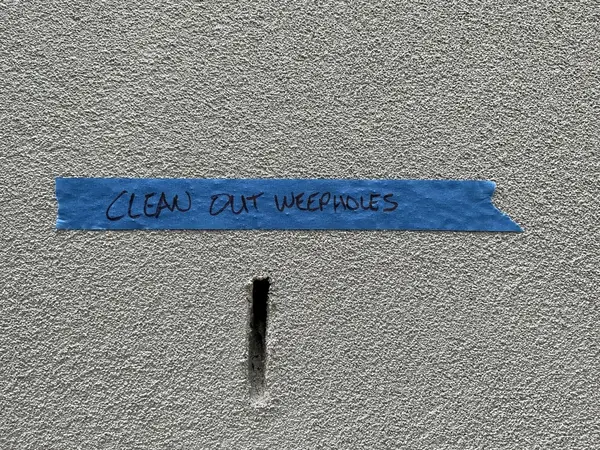
Clean out weepholes
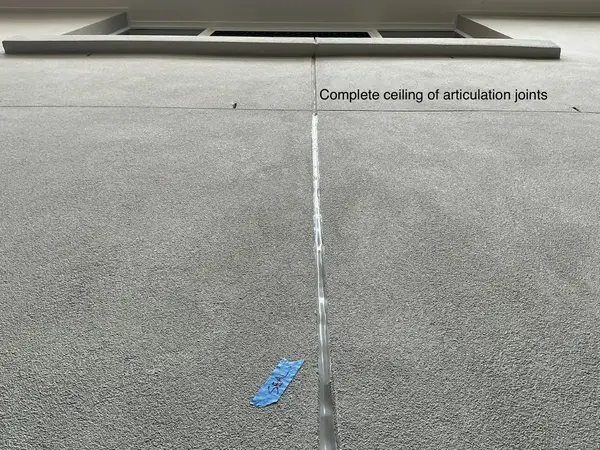
Complete ceiling of articulation joints
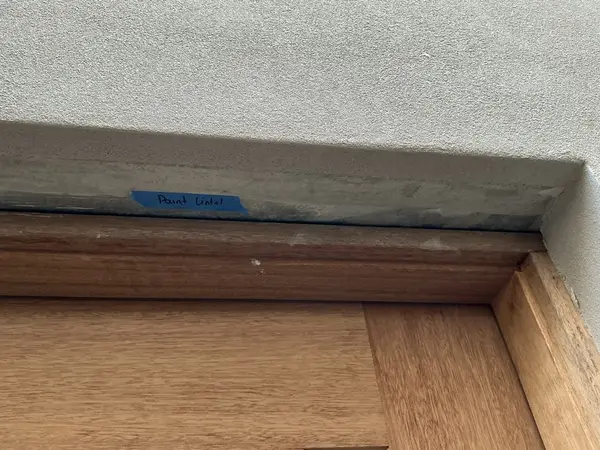
Paint lintel
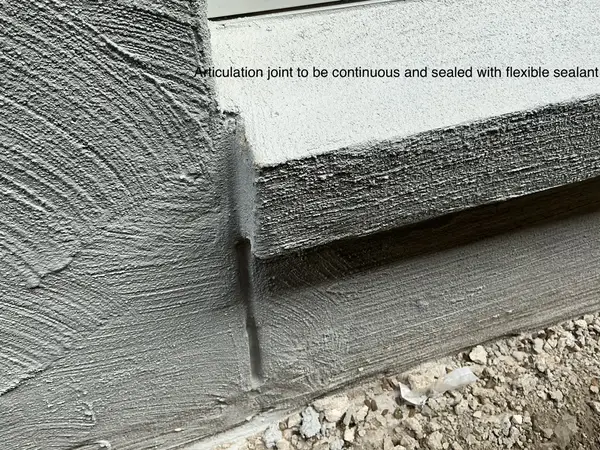
Articulation joint to be sealed
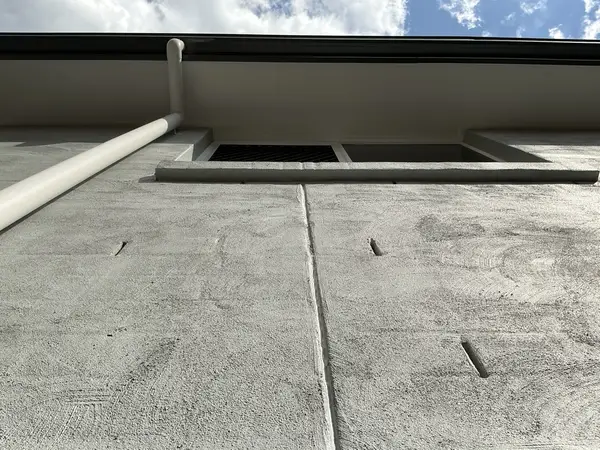
Weepholes blocked
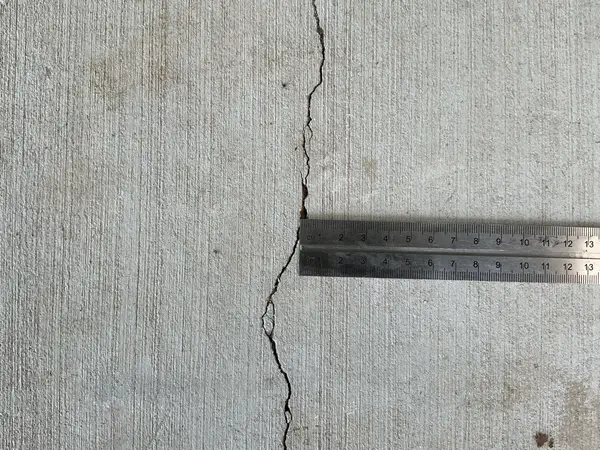
Slab crack measurement
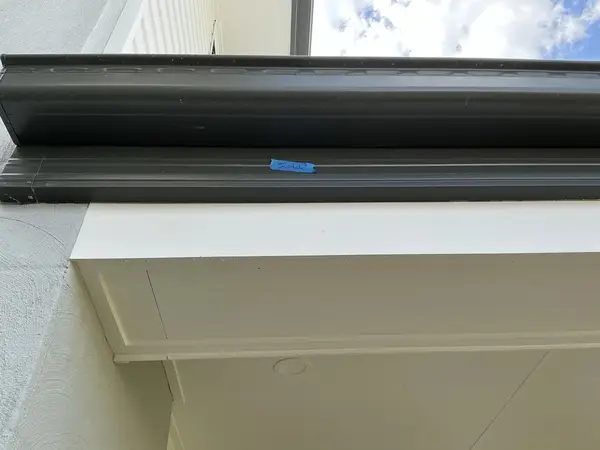
Scratched gutter
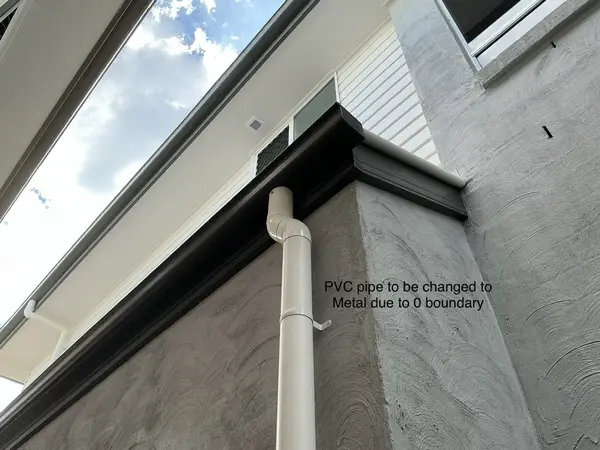
PVC pipe to be changed to metal
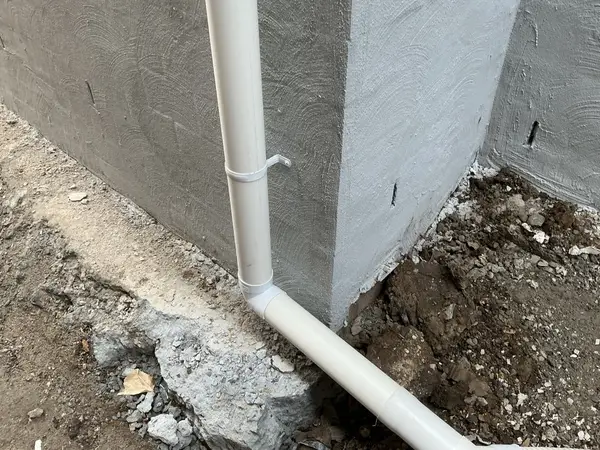
Drainage incomplete
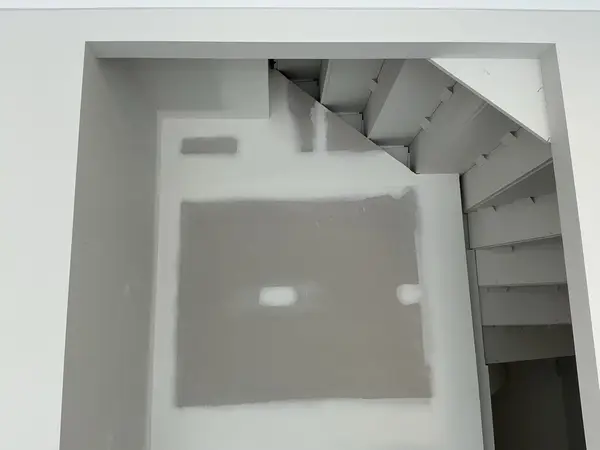
Stairwell void incomplete
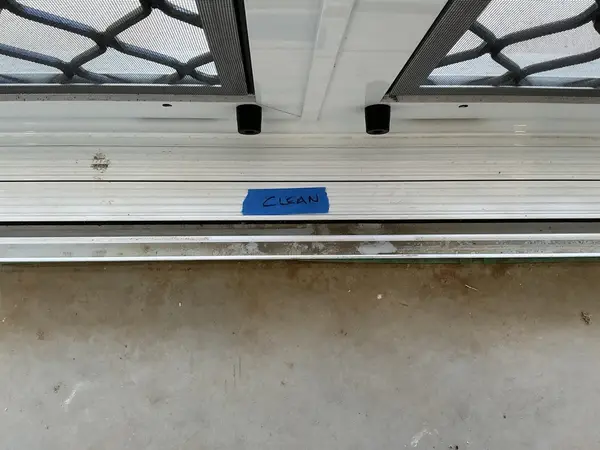
Clean door tracks
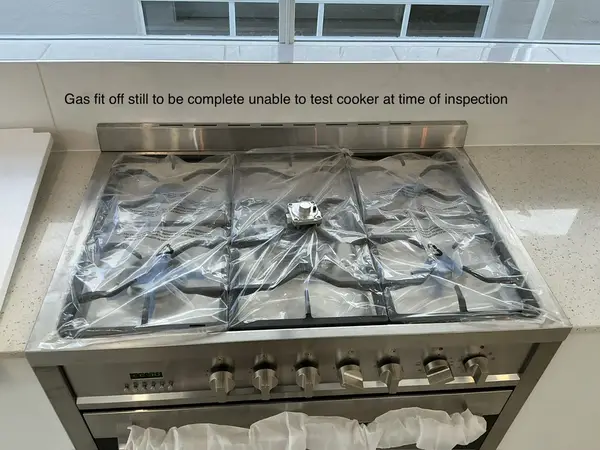
Gas fit off incomplete
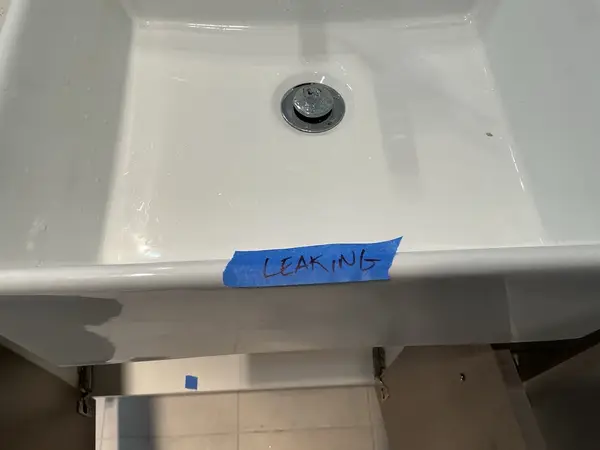
Leaking sink
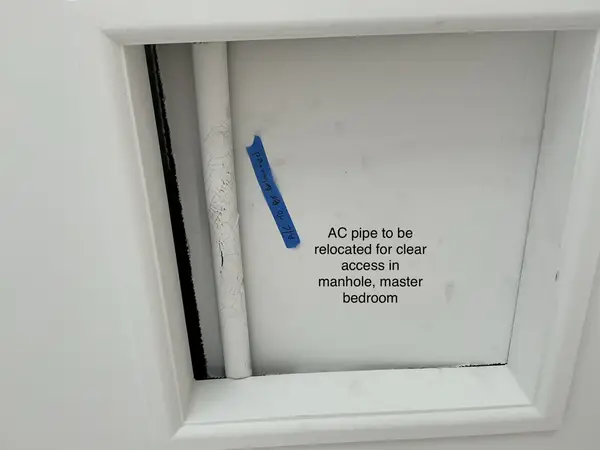
AC pipe blocking manhole access
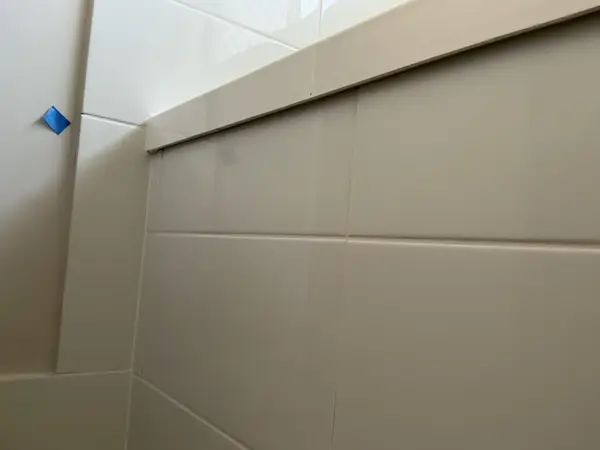
Silicone/grout issues
Common defects we find at a PCI
Almost every new home has defects at handover — it's the nature of a hand-built product assembled by many trades on a live site, not a sign of a bad builder. These are the items our inspectors record most often, each graded by severity and tied to the standard it breaches:
- Wet-area membrane pinholes, or upturns below the required heightCriticalAS 3740
The single most consequential category — once tiling starts the membrane is hidden for the life of the home, and a failure means a full wet-area strip-out later.
- Site drainage and finished levels ponding water against the slabCriticalQBCC 2.3 / NCC 3.1.2.3
Finished ground levels must direct water away from the building; landscaping and final grading on new builds often fall short.
- Flashings unsealed, short-lapped or displacedCriticalNCC 3.5
Window, door and roof-junction flashings keep water out of the wall cavity; an unsealed lap lets water track inside long before it shows.
- Safety switches (RCDs) not installed or not tripping on testCriticalElectrical safety
Residual current devices are mandatory on new homes; we test the switchboard and flag any circuit left without working RCD protection.
- Cracks at door and window corners from slab movementCriticalAS 2870
Reactive soils move slabs; we measure each crack's width and direction to separate normal shrinkage from movement worth rectifying.
- Frame tie-down or bracing shortfalls, where still visibleCriticalAS 1684
Structural fixings and bracing must match the engineering; cheapest to catch before plasterboard conceals them.
- Paint finish defects visible from 1.5 mMonitorQBCC Section 14
Brush marks, roller texture, runs and blemishes are assessed with the guide's viewing test rather than by opinion.
- Tile lippage, hollow tiles, or falls that don't run to the wasteMonitorQBCC Section 14 / AS 3740
We sound-test tiled areas; hollow tiles can lift over time and poor falls leave water pooling in showers and on balconies.
- Plasterboard joints, cornice and wall bowing beyond toleranceMonitorQBCC Section 14
Bows over about 4 mm under a 2 m straightedge are generally defective; gentle variation under that is accepted.
- Weep holes blocked or omitted in brickworkMonitorNCC 3.5
Weep holes drain the brick veneer cavity; mortar-blocked or missing weeps trap moisture against the frame.
- Joinery and trim gaps beyond the guide's limitsMonitorQBCC Standards & Tolerances
Gaps at skirtings, architraves and cabinetry mitres (often beyond ~1 mm for cabinetry) are assessable items, not matters of taste.
- Missing compliance documentationCriticalForm 16 / 21
Form 16s, Form 21, the waterproofing certificate, termite durable notice and energy certificate must be present and in your name at handover.
For a plain-English breakdown of how each is assessed, see the QBCC defects guide.
A real example — wet-area waterproofing caught before tiling
Wet-area waterproofing is the highest-consequence stage of a new home build — higher even than the slab. The governing standard, AS 3740-2021, sets which surfaces must be waterproofed and to what extent: the shower floor and wall upturns to the required heights, continuous coverage at the floor-to-wall junctions where water collects, and sealed, flashed penetrations at the floor waste and tap sets, with the membrane applied at the right thickness and allowed to cure before tiling.
The asymmetry is what makes the timing matter. A membrane defect caught while the waterproofing is still visible is a touch-up the trade completes in well under a day. The same defect caught after tiling is a full wet-area strip-out — tiles, screed and often wall linings removed, re-waterproofed and reinstated. That's why this check happens in the narrow window after the membrane is applied and before screeding and tiling seal it in for the life of the home.
See a worked example in our Morayfield wet-area waterproofing case study, where the membrane and flashings were verified against AS 3740 before tiling commenced.
Why you can't just do it yourself
Plenty of buyers walk through their home before handover and feel confident they've found the issues. In our experience, the items that decide a defect dispute are exactly the ones an untrained walk-through misses:
- Waterproofing defects — non-compliant shower membranes are invisible once tiles are down and usually only surface as water damage months later.
- Structural concerns — bracing deficiencies, roof-fixing problems and connection failures need trained eyes and knowledge of AS 1684 and the engineering.
- Tolerance breaches — a wall that looks slightly bowed may or may not exceed the ~4 mm-in-2 m limit; only measurement against the QBCC Standards and Tolerances Guide confirms it.
- Contract-specification omissions — fixtures, finishes and inclusions you paid for that simply weren't installed, which only a line-by-line check against the contract catches.
The PCI and handover process — what to expect
The legal moment that matters is signing the practical-completion acknowledgement. Once you sign, your statutory 12-month defect liability period under the Queensland Building and Construction Commission Act begins, and items that should have been picked up beforehand become harder to enforce — not impossible, but harder. A typical handover sequence runs:
- Builder notifies you of practical completion — usually 5 to 14 days before your scheduled handover.
- You book your VG Inspect PCI — ideally for the morning of, or the day before, your builder walkthrough.
- VG Inspect attends for 2 to 3 hours on a standard home and issues the photographic report on-site the same day.
- You hand the report to your site supervisor — every item with its photo, location and AS/QBCC clause reference, for rectification within the contract timeframe.
- You attend the handover walkthrough and confirm the rectification items are addressed before signing.
- Any items still outstanding are recorded in writing — your report becomes the contemporaneous record for the 12-month defect liability period.
After your PCI — your 12-month window
Your report doesn't end at handover. It's the contemporaneous record you rely on for the 12-month statutory defect liability period under the QBCC Act. If items emerge in the months after you move in — cracking, waterproofing failure, fixture or finish defects — the report is your starting point for a written request to the builder, and, if needed, a QBCC dispute.
Frequently Asked Questions
When should I book a PCI?
After the builder advises practical completion but BEFORE you sign the handover documents. Once you sign, your leverage to require defect rectification is significantly reduced.
What's included in a PCI?
Full property assessment — all rooms, fixtures, finishes, external areas, garage, driveway, fencing. Typically 2–3 hours on site for a standard home.
How many defects do you typically find?
Most new homes have 15–30 defects at PCI stage. We've never inspected a defect-free new home.
What happens after the PCI?
You receive a detailed report with photos and AS references for every defect. You provide this to the builder who must rectify before handover. We can re-inspect after rectification for a small fee if needed.
Can I do the PCI myself?
Legally yes, but an independent QBCC-licensed inspection report carries more weight in the rectification process because every defect is referenced against Australian Standards and NCC clauses. The cost of the inspection is typically recovered many times over in rectified defects.
How much does a PCI cost?
$660 inc GST for homes under 220m². Homes over 220m² are quoted individually. Most expensive of our stage inspections because it's the most comprehensive.
Will my builder rectify all the defects?
Reputable builders will rectify all valid defects. Our report references Australian Standards and NCC clauses so disputes are based on objective criteria, not opinion.
What's the difference between the certifier's inspection and a VG Inspect PCI?
Your builder appoints a private certifier who attends key stages and issues Form 16 and Form 21 certificates confirming the work complies with the building approval — a regulatory compliance check. The certifier is not engaged to assess cosmetic defects, finish quality, contract-specification omissions, or items inside the QBCC Standards and Tolerances but outside the approval. A VG Inspect PCI is the independent, buyer-facing assessment that picks up those items before you accept handover.
What if my builder says a defect is within tolerance?
That's exactly why every item in your report is measured and referenced to a clause. If a builder claims something is acceptable, we can point to the specific measurement and the specific QBCC Standards and Tolerances or Australian Standard clause it breaches — for example the paint viewing test (visible from about 1.5 m under normal light) or floor level (out of tolerance beyond roughly 4 mm under a 2 m straightedge). Objective figures settle the question; opinions don't.
Can I attend the PCI with the inspector?
Yes — we encourage it. Walking the home with the inspector is the best way to understand each defect, why it matters, and what rectification should look like, so you can have an informed conversation with your builder at handover. You're welcome to attend the whole inspection or join for the wrap-up.
Do you re-inspect after the builder rectifies?
Yes. Once your builder has actioned the report, we can return to verify each item was rectified properly before you sign, for a small re-inspection fee. It's the cleanest way to confirm the list was genuinely closed out rather than ticked off on paper.
How is a PCI different from a building and pest inspection?
A building and pest inspection is a pre-purchase product for established homes — it covers general condition and timber-pest activity. VG Inspect specialises exclusively in new builds, so a PCI assesses brand-new construction against the contract specification, the National Construction Code and the QBCC Standards and Tolerances Guide before handover. We don't carry out pre-purchase or pest inspections.
Inspecting earlier stages too?
The PCI is the final check before handover, but catching issues at each construction stage is even better value. VG Inspect checks every stage of your new build:
Our PCI checklist — how we inspect your home
Our PCI checklist is assessed against the contract, approved plans and inclusions, the QBCC Standards & Tolerances Guide, the NCC and the relevant Australian Standards. Items are general — every inspection is conducted to the specific approved documents for that build. Method: we start at the front-left corner of the house and work anticlockwise around the exterior, completing each elevation fully before moving to the next; then we move inside and sweep each room the same way every time — entry door first, then each wall in turn working from the door, then ceiling, then floor, then fixtures. Every defect is dotted on site, photographed and logged with its location, description and the standard or tolerance it offends. Because the per-elevation and per-room sweeps repeat for every elevation and every room, a typical home involves 400+ individual checks.
1. Before You Start — Documents & Setup(6)
- Contract, approved plans, inclusions list and all variations on hand
- Selections / colour schedule available for finish verification
- Electricity and water connected and on for function testing
- Defect dots, camera/app, torch, level, tapping tool and moisture meter ready
- Weather and lighting conditions noted (surface defects are light-dependent)
- Builder's practical completion claim / defect list format confirmed
2. External — Each Elevation in Turn (anticlockwise from front-left corner)(25)
Repeat this sweep for every elevation: front → left side → rear → right side.
- Brickwork: consistent perpends and bed joints, no chipped or cracked bricks beyond tolerance
- Mortar: consistent colour and joint finish, no smears or gaps
- Weep holes clear, unblocked and at the specified spacing
- Articulation / control joints continuous, clean and sealed where specified
- Render / cladding: finish consistent, no cracking, drummy areas or damage
- External paint: full coverage, no misses, runs or colour variation
- Slab edge: exposed height within tolerance, damp course correct, no excessive exposure or burial
- Termite management system not bridged or breached (garden beds, paths, render)
- Windows: frames undamaged, installed square and sealed to the structure
- Window glass free of scratches (checked at the QBCC viewing standard)
- Flyscreens fitted, undamaged and secure
- Window operation: open, close and lock from inside — checked later during room sweeps, exterior seals checked here
- External sills: fall away from frame, sealed, no staining
- External doors: finish, seals, operation, locks and keys
- Eaves and soffits: sheets secure, joints neat, no staining or damage
- Fascia and barge: straight, joins neat, no damage
- Gutters: falls correct, joins sealed, no dents, leaves or ponding evidence
- Downpipes: secured, connected to stormwater, correct astragals/spreaders
- Penetrations (flues, vents, pipes): flashed and sealed
- External taps operate and are secure; no leaks at wall
- Meter box / switchboard exterior: secure, undamaged, labelled
- Services fixtures on this elevation (AC condenser, HWS, NBN, gas) mounted, level, undamaged
- Ground falls away from the building; no ponding against the slab
- Paths and driveways abutting this elevation: finish, falls, control joints, no trip edges or cracking beyond tolerance
- Damage to adjoining works (fencing, landscaping) from construction noted
3. Roofline & Roof Exterior (viewed from ground, ladder or drone as access allows)(9)
- Roof covering: no broken, chipped, slipped or discoloured tiles / no dented or poorly fixed sheets
- Ridge and hip capping: bedded and pointed consistently, no cracking
- Valleys: clear, straight, no debris or damage
- Flashings at all penetrations and abutments: fitted, dressed and sealed
- Roof penetrations (flues, vents, solar): flashed and secure
- Gutter lines straight; no visible sag
- Solar panels (if included): secure, undamaged, isolator installed
- Aerial / antenna installed where included
- No builder's debris left on the roof
4. Outdoor Living — Porch, Alfresco, Deck, Balconies(7)
- Ceiling linings: finish, joints, no staining or sag
- Posts and columns: plumb, finish, base connections sealed/protected
- Alfresco floor: falls away from the building, finish consistent, no ponding zones
- Tiled external areas: no drummy tiles, lippage within tolerance, grout consistent
- Balustrades (where required): height and gaps compliant, fixings secure
- External lights and fans in outdoor areas operate
- External GPOs operate and are weather-rated
5. Garage — External(4)
- Panel-lift / sectional door: operation smooth through full travel, no panel damage
- Door seals and clearances consistent
- Remotes and wall control operate; manual release works
- PA door: operation, seals, lock and keys
6. Internal — Every Room, Same Sweep(23)
Enter each room and repeat: door → each wall in turn from the door → ceiling → floor → fixtures. Dot and log every defect as found.
- Door
- Door face and edges: finish, no chips, dents or brush marks
- Operation: opens, closes, latches; no binding or scraping
- Gaps and margins consistent around the frame
- Door furniture secure; door stop fitted; hinges clean and paint-free
- Walls (each wall in turn)
- Plasterboard finish checked under natural and raking light — no peaking joints, popped screws, sanding marks or undulation beyond tolerance
- Paint: coverage complete, cutting-in clean, no runs, misses or colour patching
- Cornice: joints neat, no cracking or separation
- Skirting: fixed, scribed and caulked; paint finish complete; no gaps beyond tolerance
- Architraves: mitres tight, caulked and painted
- GPOs and switches: aligned, level, flush to wall, operate correctly
- Wall damage: dents, gouges or trade damage dotted
- Internal windows/glazing to this wall: operation, locks, reveals, sills, glass free of scratches, screens fitted
- Ceiling
- Finish checked under raking light: no joint peaking, sag, screw pops or patching visible
- Cornice line straight and consistent
- Downlights: seated flush, aligned, all operating
- Ceiling fans (where included): secure, no wobble, all speeds operate
- Exhaust/heater units flush and operating
- Manholes: trimmed, painted, seated
- Floor
- Tiles: no drummy/hollow tiles (tapped), lippage within tolerance, grout consistent, cuts neat at edges
- Carpet: joins invisible, stretched (no ripples), trims at doorways secure
- Timber/laminate/hybrid: no gaps, peaking, scratches or end-lift; expansion gaps covered
- Floor level and free of squeaks in trafficable areas
- Junctions between floor finishes neat and trimmed
7. Kitchen(12)
- Cabinetry: doors and drawer fronts aligned, gaps consistent
- Doors and drawers: smooth operation, soft-close working where specified
- Interior of cabinets: shelves fitted, no damage, kickboards secure
- Benchtops: no scratches or chips; joins tight and sealed; overhangs per plan
- Splashback: tiles/glass/stone free of defects; sealed at junctions
- Sink: secure, sealed; taps operate; hot and cold correct way round
- Under-sink: no leaks at traps or flexible hoses; connections tight
- Appliances match inclusions: oven, cooktop, rangehood, dishwasher installed
- Each appliance function-tested (oven elements/fan, all cooktop burners/zones, dishwasher cycle start)
- Rangehood ducted where specified; filters in place; light and fan operate
- Water point for fridge (where included) installed
- Pantry: shelving per inclusions, finish complete
8. Bathrooms & Ensuites(16)
- Wall tiling: no drummy tiles, lippage within tolerance, grout consistent, cut tiles neat
- Floor tiling: falls to the floor waste — water finds the drain, no ponding
- Silicone joints: continuous, neat, correct locations (junctions and movement points)
- Shower: screen secure, doors operate, no chips or scratches on glass (AS 1288 glazing where applicable)
- Shower rose, mixer and outlets operate; no leaks at penetrations
- Water test: shower run and observed for leaks to adjoining rooms/underside
- Waterproofing indicators: correct falls, hobs/set-downs per AS 3740, no evidence of moisture escape
- Vanity: cabinet finish and operation, benchtop, basin sealed and draining
- Under-vanity: no leaks, flexible hoses and traps sound
- Mirrors and cabinets: fitted, undamaged, doors aligned
- Toilet: pan secure, cistern operates both flushes, no leaks, seat fitted
- Accessories fitted per inclusions: towel rails, toilet roll holders, robe hooks
- Exhaust fan operates and is ducted (not venting into the roof space where not permitted)
- Tapware: secure, operates smoothly, hot on the left
- Hot water reaches the outlet; tempering appropriate (typically ~50°C at sanitary fixtures)
- Floor waste grates seated and clean
9. Separate WC / Powder Room(4)
- Full room sweep (door, walls, ceiling, floor) as per method
- Pan secure, flushes correctly, no leaks
- Basin (where fitted) sealed, draining, no leaks under
- Exhaust or window ventilation functional
10. Laundry(6)
- Tub and cabinet: secure, sealed, taps operate, drains freely
- Washing machine taps: operate, accessible, no weeps
- Wall and floor tiling / splashback per inclusions; falls to waste where floor waste fitted
- Waterproofing to wet area requirements (AS 3740)
- Dryer provision (where included) installed
- External door (where fitted): full door sweep as per method
11. Bedrooms & Robes(4)
- Full room sweep (door, walls, ceiling, floor) as per method
- Robe doors (sliding/hinged): aligned, smooth, no derailing, mirrors undamaged
- Robe interiors: shelving and rails per inclusions, finish complete
- Window coverings (where included): fitted and operating
12. Living Areas, Hallways & Stairs(5)
- Full room sweep in each space as per method
- Long sightlines checked under raking light — walls and ceilings straight and true within tolerance
- Stairs: treads and risers consistent, no squeaks, nosings secure
- Balustrade and handrail: heights and gaps compliant, fixings secure, finish complete
- Under-stair storage (where included): finish, door, light
13. Garage — Internal(4)
- Full sweep as per method (walls, ceiling, floor)
- Slab finish: consistent, no excessive cracking (within tolerance), falls to door
- Steps and thresholds: heights within tolerance, finish complete
- Internal access door: self-closing/sealing where required, operation and lock
14. Roof Space (via manhole, as access allows)(6)
- Insulation: coverage complete and consistent, no gaps or compression, clear of downlights as required
- Sarking / anticon: continuous, undamaged
- Trusses and bracing: no visible damage or modification, per structural intent
- No plumbing leaks visible; flues and ducts connected
- Exhaust fans ducted where required; no venting to roof space where not permitted
- No builder's rubbish left in the roof space
15. Whole-House Function Tests(10)
- Every GPO tested for power
- Every light and switch tested; globes present
- Switchboard: circuits labelled, safety switches installed and test buttons operate
- Smoke alarms: installed to the current QLD requirements (interconnected photoelectric), test function operates
- TV, data and phone points fitted per inclusions
- Air conditioning: all zones/heads run in heat and cool; controller operates; condensate draining
- Hot water system: operates, relief valve not running, delivery time reasonable
- Water pressure and flow at all outlets; no water hammer through the house
- All external and internal doors keyed; keys, remotes, manuals and warranties itemised for handover
- NBN / comms enclosure fitted per inclusions
16. Completeness, Contract & Handover(10)
- Every contract inclusion sighted and installed
- All variations completed as documented
- PC and provisional sum items installed per selections
- Paintwork, caulking and touch-ups complete house-wide — no "builder to attend" leftovers
- Site: rubbish removed, driveway/paths cleaned, no concrete slurry or paint on finished surfaces
- Landscaping / turf / fencing items in the contract complete
- Damage caused by trades (screens, glass, benches, tubs, doors) dotted and listed
- All defects dotted, photographed and compiled into the report with locations and standards references
- Defect list issued to builder; reinspection requirements noted
- Date of inspection recorded; checklist signed by the responsible inspector
Ready to Book Your PCI?
Book before you sign handover documents
Don't hand over your deposit until every defect is documented. Book your Practical Completion Inspection today.
Your build, stage by stage
Every new home moves through the same inspection sequence. See where this stage fits and jump to the ones before and after it.
- 1Pre-Pour
- 2Slab
- 3Frame & Pre-Plaster
- 4Enclosed & Waterproofing
- 5Practical Completion
- 6Handover (2nd)