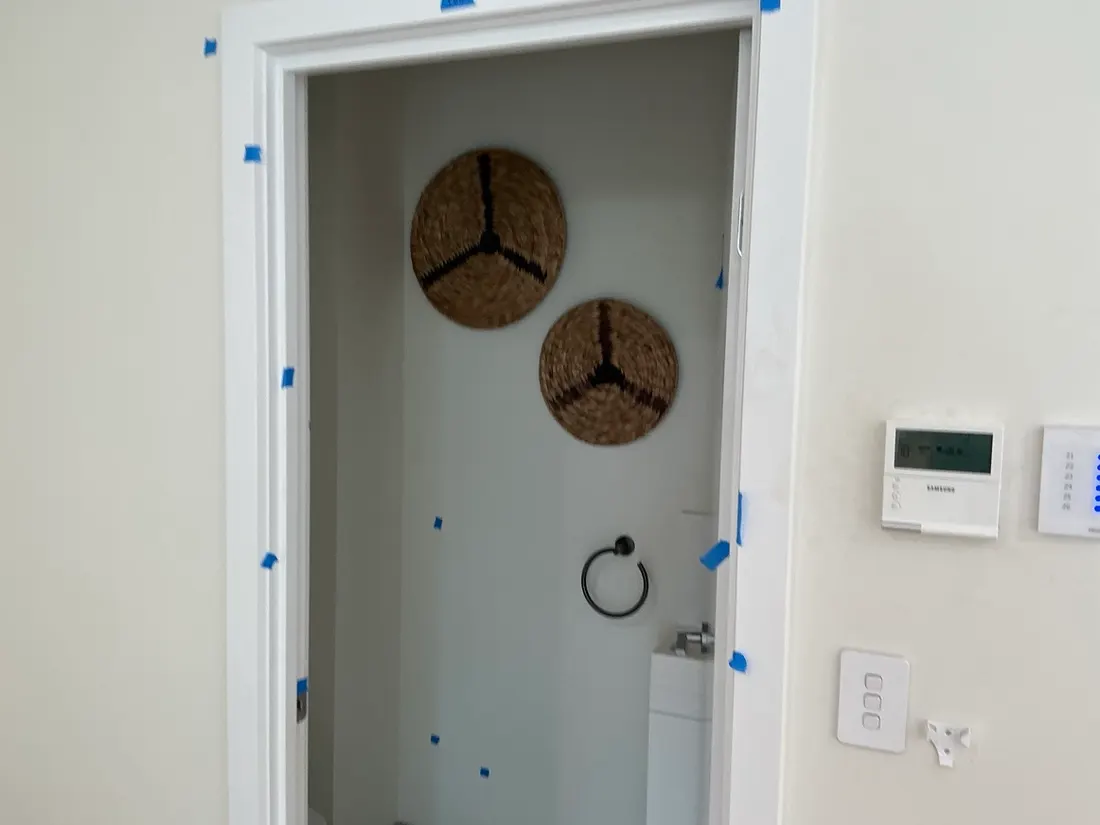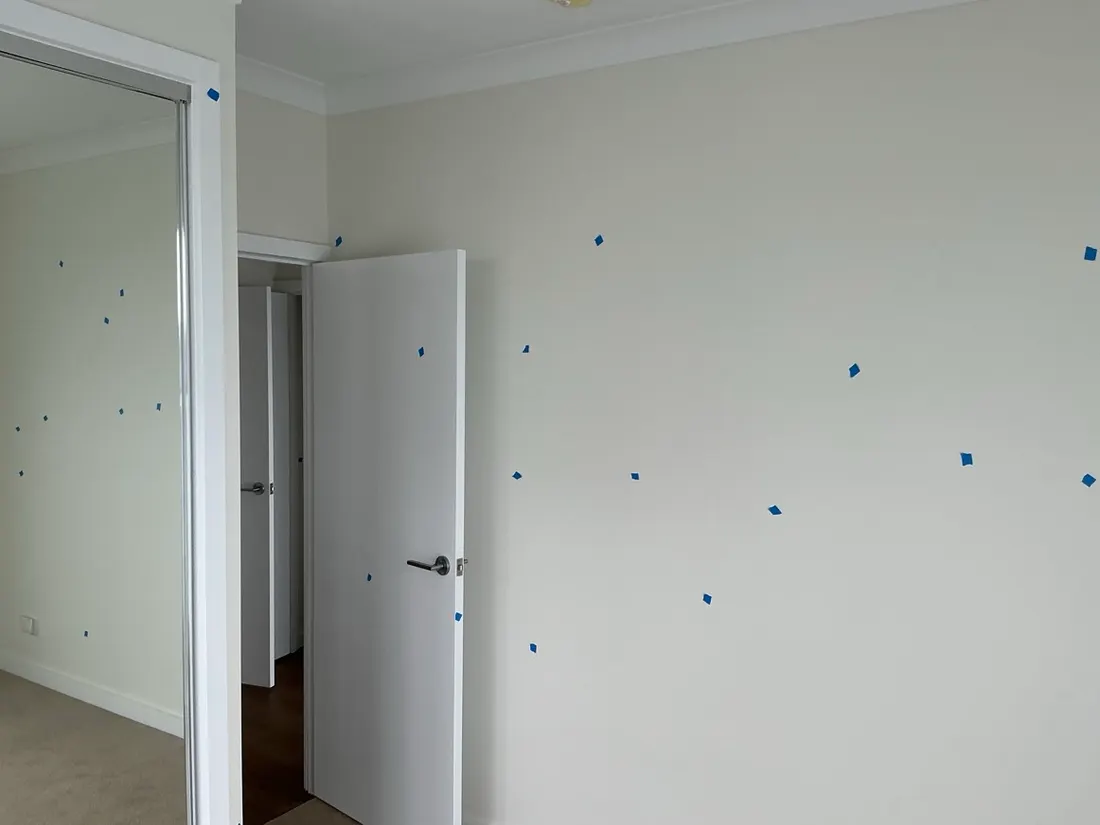
You've had your independent inspection done. The report is clear and well-documented. You've sent it to your builder. And now they're disputing it, delaying it, or simply not responding.
This situation is more common than it should be. Here's the step-by-step process for getting defects fixed in Queensland, and the documentation that makes each step work.
Step 1 — Formal Written Request
The first step is to ensure your defect rectification request is in writing and formally addressed to the builder. A verbal conversation or an informal email isn't sufficient.
Your formal request should include your VG Inspect report as an attachment and should list every defect requiring rectification, reference the applicable QBCC Standards and Tolerances clause or NCC section for each item and specify a reasonable timeframe for response — typically 10 to 14 business days.
Send this via email with read receipt or via registered post to the builder's registered business address. Keep records of everything.
Step 2 — Follow Up in Writing
If you don't receive a response within the specified timeframe, follow up in writing. This creates a documented timeline of your attempts to resolve the matter and is essential if you need to escalate.
Your follow-up should reference your original request by date, note that no response has been received and set a final deadline for response before you escalate to the QBCC.
Step 3 — QBCC Dispute Resolution
The Queensland Building and Construction Commission operates a dispute resolution service for residential building disputes. This is a free service and is generally the appropriate next step when a builder fails to respond to formal written requests.
To access QBCC dispute resolution, lodge a complaint via the QBCC website at qbcc.qld.gov.au. You will need your building contract, your VG Inspect report and your written correspondence with the builder.
The QBCC will contact the builder on your behalf and facilitate a conciliation process. The builder's QBCC licence is at stake if they fail to engage with this process — this creates genuine incentive for most builders to resolve disputes at this stage.
Ready to book your inspection? A VG Inspect QBCC-licensed inspector attends every job.
Book an InspectionStep 4 — Home Warranty Insurance Claim
If the defect falls within the QBCC Home Warranty Insurance scheme — either because it is a structural defect or because it became apparent within the defect liability period — and the builder has failed to rectify, you can make a claim directly against the insurance scheme.
Home warranty insurance claims require documentation of the defect, evidence that the builder was notified and failed to rectify, and evidence that the defect falls within the covered categories and timeframes.
A well-documented VG Inspect report is the foundation of a successful warranty insurance claim. Undocumented defects — or defects documented in a report that doesn't reference specific standards — are significantly harder to progress through the claims process.
Step 5 — Queensland Civil and Administrative Tribunal (QCAT)
For disputes that cannot be resolved through QBCC conciliation, QCAT provides a formal tribunal process for building disputes up to $100,000. Above this threshold, disputes go to the District Court.
QCAT proceedings require formal evidence, and the quality of your documentation — the VG Inspect report, the written correspondence, the QBCC complaint records — directly affects the outcome.
The Importance of Documentation
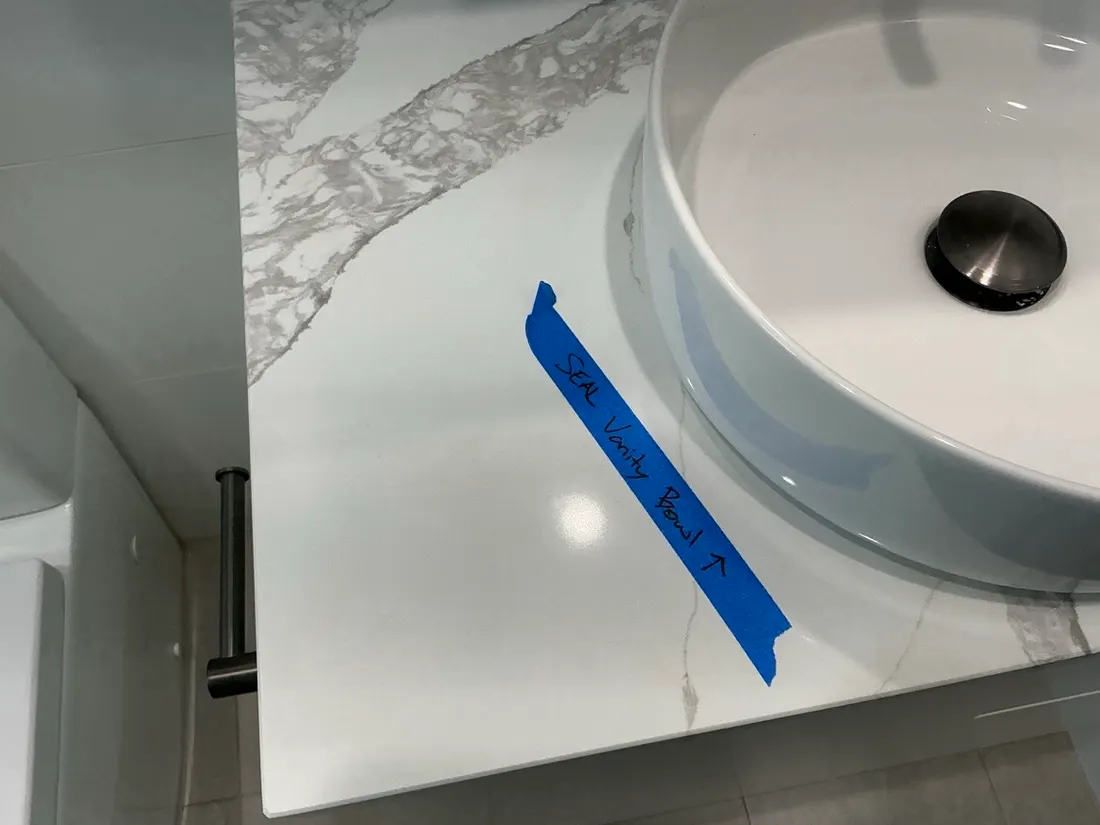
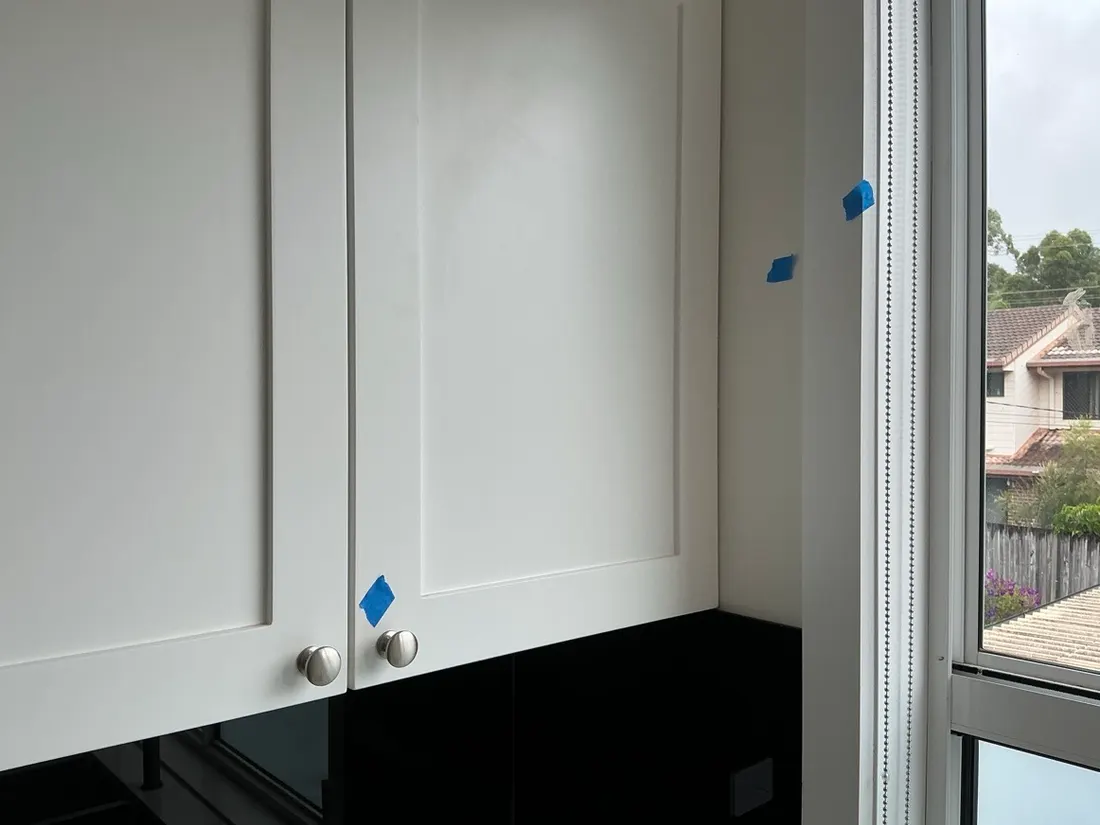
Every step in this process depends on documentation. A VG Inspect report that references specific QBCC Standards and Tolerances clauses and NCC sections for every defect is the foundation of every escalation path.
A report that describes defects without referencing the applicable standards — or an informal list of issues without measurement or photographic evidence — is significantly less effective at each stage of this process.
This is why the quality of your initial inspection report matters as much as finding the defects in the first place.
Ready to book your inspection? A VG Inspect QBCC-licensed inspector attends every job.
Book an InspectionPrevention is Better Than the Process
The most effective approach to builder accountability is prevention — identifying defects before handover, when your leverage is greatest and the builder's obligation to rectify is clearest.
A PCI inspection before you accept the keys means defects are identified while the contract is still open, before you have paid the final progress payment and before your legal position transitions from pre-handover to warranty claim.
The step-by-step process above works. But it takes months. Preventing the dispute through a thorough pre-handover inspection takes one morning.