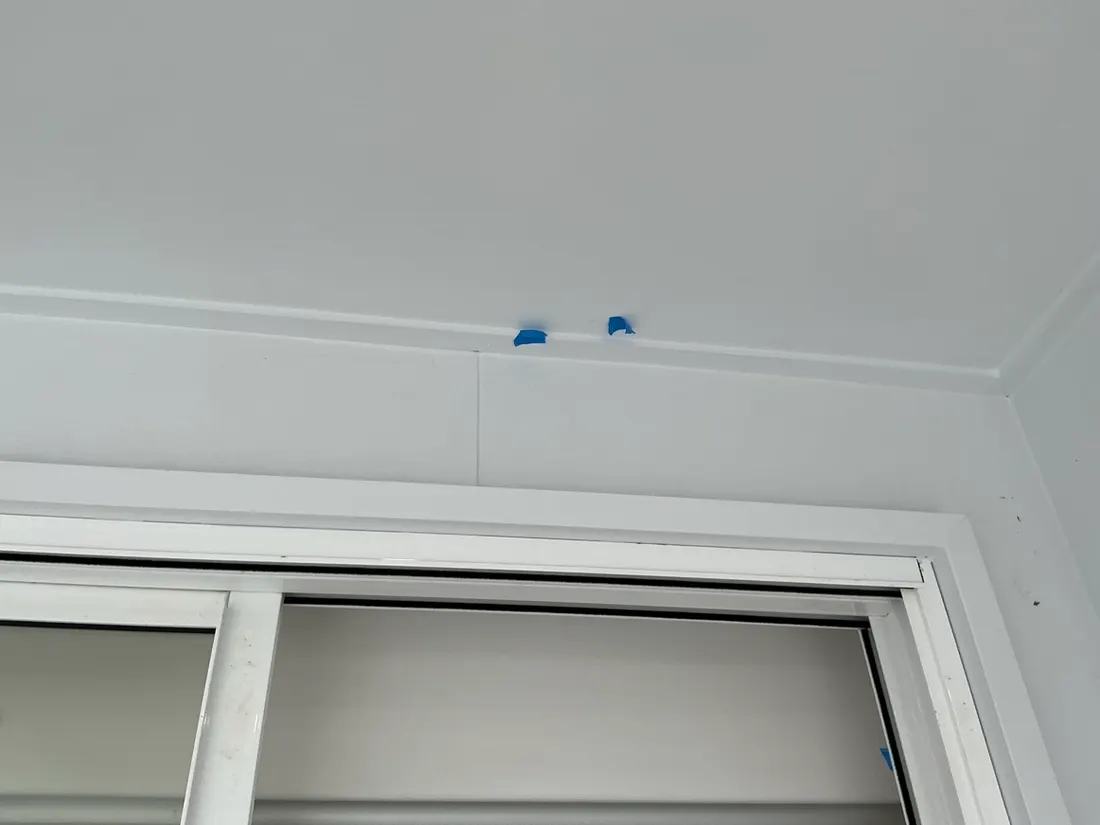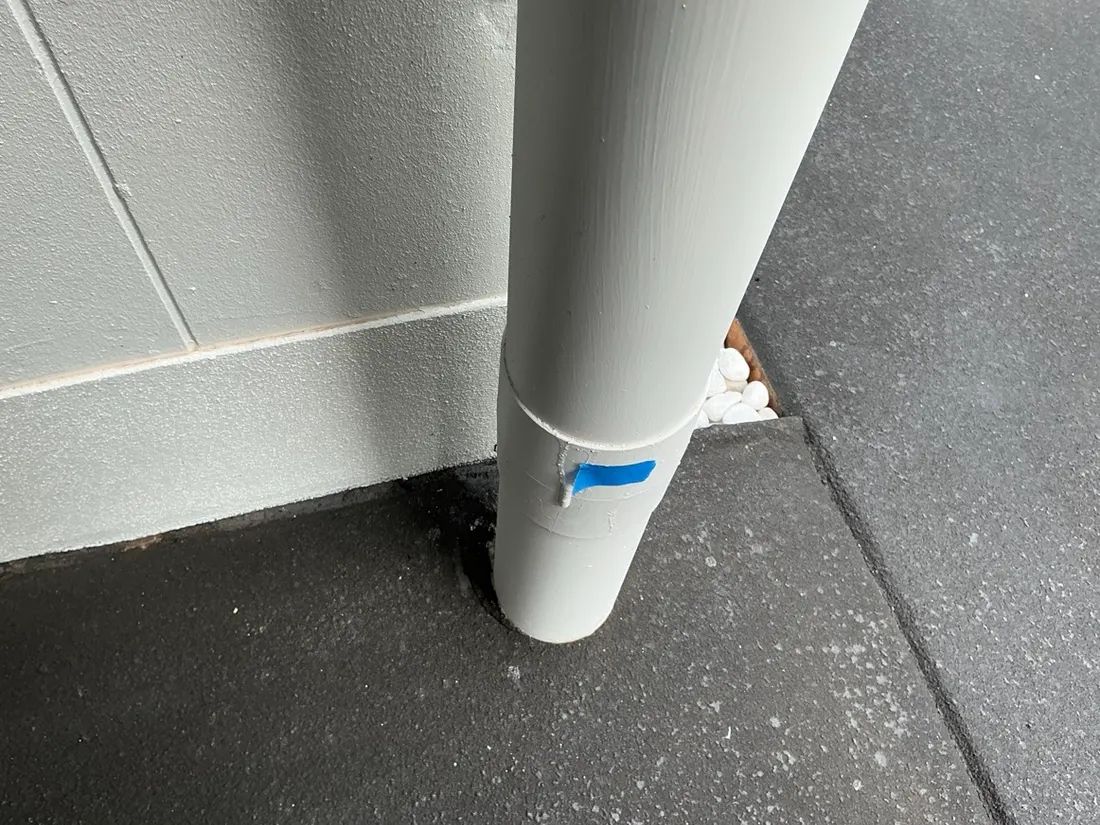
We cover the whole sequence with construction stage inspections. New home construction in Queensland progresses through a series of defined stages, each with its own inspection window and its own critical elements that, once covered, become permanently inaccessible. Understanding these stages — and knowing when to book an independent inspection at each one — is the foundation of protecting your investment.
Here are the six stages, what happens at each, and when to book your independent inspection.
Stage 1 — Pre-Pour Slab Inspection
What happens at this stage: After site preparation, formwork installation, reinforcement steel placement, termite barrier installation and vapour barrier installation — and before the concrete is poured.
What an independent inspection checks: Reinforcement steel placement and concrete cover, bar chair spacing, splice lap lengths, vapour barrier integrity and taping, termite barrier continuity, pipe penetration sealing, formwork condition and site cleanliness.
Why this stage is critical: Once the concrete truck arrives, the opportunity to inspect what's underneath is gone forever. Defects in reinforcement placement, concrete cover, termite barriers or vapour barrier can only be identified before the pour. The same defects found after pouring require core sampling, engineer assessment and potentially slab rectification.
When to book: Immediately when your builder notifies you of a pour date. You typically have 24 to 48 hours. Contact VG Inspect the moment you receive pour notification — we prioritise pre-pour bookings given the time-critical nature.
Stage 2 — Slab Inspection
What happens at this stage: After the concrete has been poured and has cured — typically 7 to 14 days after pouring — and before frame delivery and erection begins.
What an independent inspection checks: Slab levelness against the documented finished floor level, surface finish suitability for applied coverings, edge beam condition, concrete cover to reinforcement, crack category assessment, drainage falls around the perimeter and vapour barrier turned up to finished ground level.
Why this stage is important: Slab levelness problems, edge beam defects and drainage issues identified before the frame goes up are significantly easier and cheaper to address than the same issues found at handover. A slab that isn't level creates cascading problems for floor coverings, door operation and water drainage throughout the life of the home.
When to book: After the concrete has cured and before frame delivery. Ask your builder when frame delivery is scheduled and book your slab inspection to occur in the window between pour and frame.
Stage 3 — Frame Inspection
What happens at this stage: After the structural timber or steel framework of your home has been erected — wall frames, roof trusses, floor framing for two-storey homes — and before plasterboard installation begins.
What an independent inspection checks: Bracing nail patterns and strap installation, tie-down rod connections, truss installation against AS4440, bottom plate fixings, intersecting wall blocking, brick veneer cavity clearance, sarking installation and window and door installation.
Why this stage is critical: This is one of the two most important inspections of the entire build. Once plasterboard goes on, the structural frame is hidden permanently. A bracing deficiency, an incorrect truss connection or a missing tie-down that isn't caught at frame stage lives in your walls forever — or until a structural event reveals it.
When to book: After your builder's certifier signs off on the frame but before plasterboard installation begins. You typically have a window of 1 to 2 weeks. Book as soon as you receive frame approval notification.
Ready to book your inspection? A VG Inspect QBCC-licensed inspector attends every job.
Book an InspectionStage 4 — Waterproofing and Lock-Up Inspection
What happens at this stage: After external cladding, windows and doors are installed (lock-up), and after wet area waterproofing membranes have been applied and cured — and before tiling begins in bathrooms, showers, laundry and balconies.
What an independent inspection checks: Shower membrane application height, coverage and junction sealing, bath and laundry waterproofing continuity, balcony and alfresco membrane and drainage falls, external cladding completion and clearances, brickwork and articulation joints, roof completion, window and door seals and external drainage.
Why this stage is critical: Waterproofing failures are the most expensive defect category in new Queensland homes. A non-compliant shower membrane found before tiling costs nothing to fix. The same defect found after tiles are down becomes one of the most expensive rectifications in residential construction. This inspection is a direct financial protection measure.
When to book: After wet area membranes have been applied and cured but before any tiling commences. Contact your builder to confirm when waterproofing is complete — tiling contractors can arrive quickly once waterproofing is done.
Stage 5 — Practical Completion Inspection (PCI)
What happens at this stage: Your builder considers the home essentially complete and notifies you of a handover date. This is the stage where you are expected to accept the keys and sign handover documents.
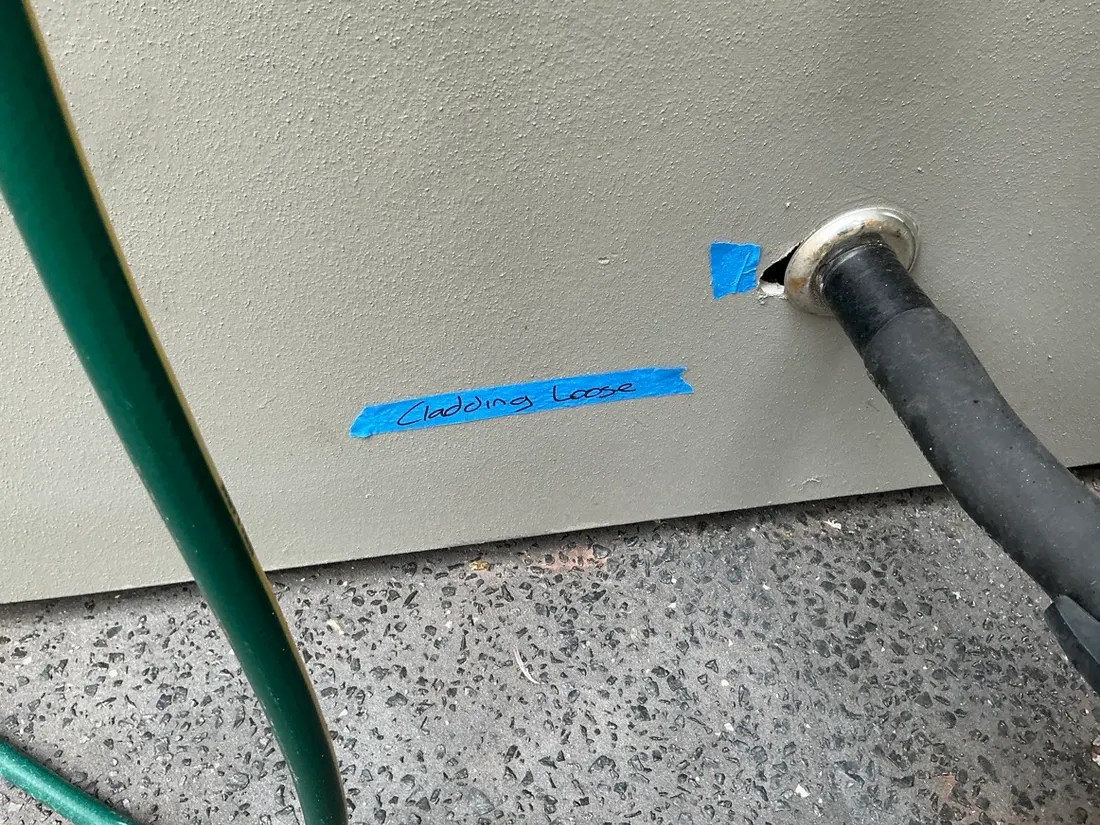
What an independent inspection checks: Every accessible area of the completed home — external envelope, internal spaces, all wet areas, joinery, fixtures, fittings, electrical, plumbing, site conditions and compliance with your builder's contract specification.
Why this stage is critical: This is the final opportunity to identify defects at the builder's cost before you take possession. Once you accept the keys, defects become warranty items — a longer, more contested rectification process. Every defect found at PCI is your builder's responsibility to fix before the contract concludes.
When to book: As soon as your builder notifies you of a handover date — ideally 3 to 5 business days before you are due to accept the keys. Never sign handover documents before this inspection is complete.
Stage 6 — Warranty Inspection
What happens at this stage: Within the 12-month defect liability period after you have taken possession of your new home.
What an independent inspection checks: Settlement cracking, waterproofing integrity after use, site drainage performance through a wet season, roof and gutter performance, door and window operation after settling, floor covering condition, joinery movement and all items from the original PCI report.
Why this stage matters: Some defects only become apparent over time — settlement cracks after the first dry season, waterproofing failures after sustained use, drainage problems only visible after significant rainfall. Under the QBCC Home Warranty scheme, your builder is obligated to rectify these defects if they appear within the liability period — but you must formally document and notify within the period.
When to book: At the 10 to 11 month mark after handover. This gives your builder time to respond and rectify before the 12-month period expires. Do not wait until month 12.
Ready to book your inspection? A VG Inspect QBCC-licensed inspector attends every job.
Book an InspectionThe Key Principle
Each stage inspection has a window that closes permanently. Once concrete is poured, pre-pour elements are gone. Once plaster goes on, frame elements are gone. Once tiles go down, waterproofing elements are gone. Once you accept the keys, your pre-handover leverage is gone.
Independent inspections at each stage don't just find defects. They create a documented record of your home's construction that gives you formal, enforceable rights at every stage of the process.