When you take handover of a new home in Queensland, your build does not simply end — it comes with a framework of warranties designed to protect you. Understanding what that framework covers, the timeframes that apply, and what sits outside it helps you make the most of your first years in the home.
This guide explains the builder's warranty for new-home buyers across South East Queensland in plain terms, and shows where a warranty inspection fits in.
The QBCC Home Warranty Scheme in Brief
New residential building work in Queensland is supported by two connected things. First, statutory warranties apply to the work under Schedule 1B of the Queensland Building and Construction Commission Act 1991 — these set out, by law, the standard the building work must meet. Second, the QBCC Home Warranty Scheme provides insurance cover in defined circumstances, such as where work is incomplete or defective and certain conditions are met.
Together, these mean your new home is built to a defined standard and backed by a recognised scheme. The full details, including current cover and how to make a claim, are set out on the QBCC website. For most buyers, the practical point is simple: the work must meet the QBCC Standards and Tolerances and the National Construction Code, and there is a pathway if it does not.
Structural vs Non-Structural Defects
A key distinction in Queensland's warranty framework is between structural and non-structural defects, because the two carry different timeframes.
A structural defect generally affects the stability or integrity of the home or a load-bearing element — for example, the footing system designed under AS 2870, or the timber frame built to AS 1684. A non-structural defect relates to finishes and other non-load-bearing items, such as paintwork, tiling or cabinetry. Both are covered, but for different periods, which is why identifying which category an item falls into matters when you raise it. Your inspection report references the relevant standard for each item, which helps make that distinction clear.
The distinction has real consequences for timing. Because structural matters carry a longer statutory period than non-structural ones, an item that relates to a load-bearing element generally has a longer window in which it can be raised than, say, a finish-related item. That is one reason it pays to have a clear, referenced record of the home's condition: if a question arises down the track about which category an item falls into, the documentation and the relevant standard make the answer far easier to establish.
The Defect Liability Period
Alongside the statutory warranties, your building contract includes a defect liability period — commonly 12 months from handover under standard HIA and MBA contracts. During this period, you can raise items with your builder to be addressed under the contract.
This 12-month window is one of the most useful features of a new build, and it is easy to under-use. Items that were not apparent at handover can emerge over the first seasons — after the home has gone through summer storms and the dry, and as the structure settles. Across corridors like Mango Hill, we regularly carry out warranty inspections toward the end of this period precisely so that any emerging items are captured while the window is open.
Ready to book your inspection? A VG Inspect QBCC-licensed inspector attends every job.
Book an InspectionWhat Typically Falls Outside Warranty
Just as important as what is covered is what is not. The statutory warranties relate to the building work meeting the required standard — they are not a maintenance contract. General wear and tear, ordinary maintenance, and damage that occurs after handover are typically outside warranty. Changes or additions you make to the home yourself also sit outside the builder's responsibility.
This is not a gap so much as a boundary: the framework covers the quality and compliance of the original building work, while ongoing upkeep is part of owning a home. Knowing where that boundary sits helps you raise the right items with your builder and look after the rest yourself. If a difference of view arises about whether an item is covered, a clause-referenced report keeps the discussion grounded in the relevant standard.
A simple way to think about it: the warranty framework asks whether the building work was done to the required standard at the time it was built, while maintenance asks whether the home is being looked after since. Cleaning weep holes, regrouting over time, servicing seals, and keeping drainage clear are all part of ordinary upkeep, and looking after them also helps the home keep performing as it should. Understanding this division means you spend your defect liability period focused on the items that genuinely belong to the build.
How a Warranty Inspection Helps
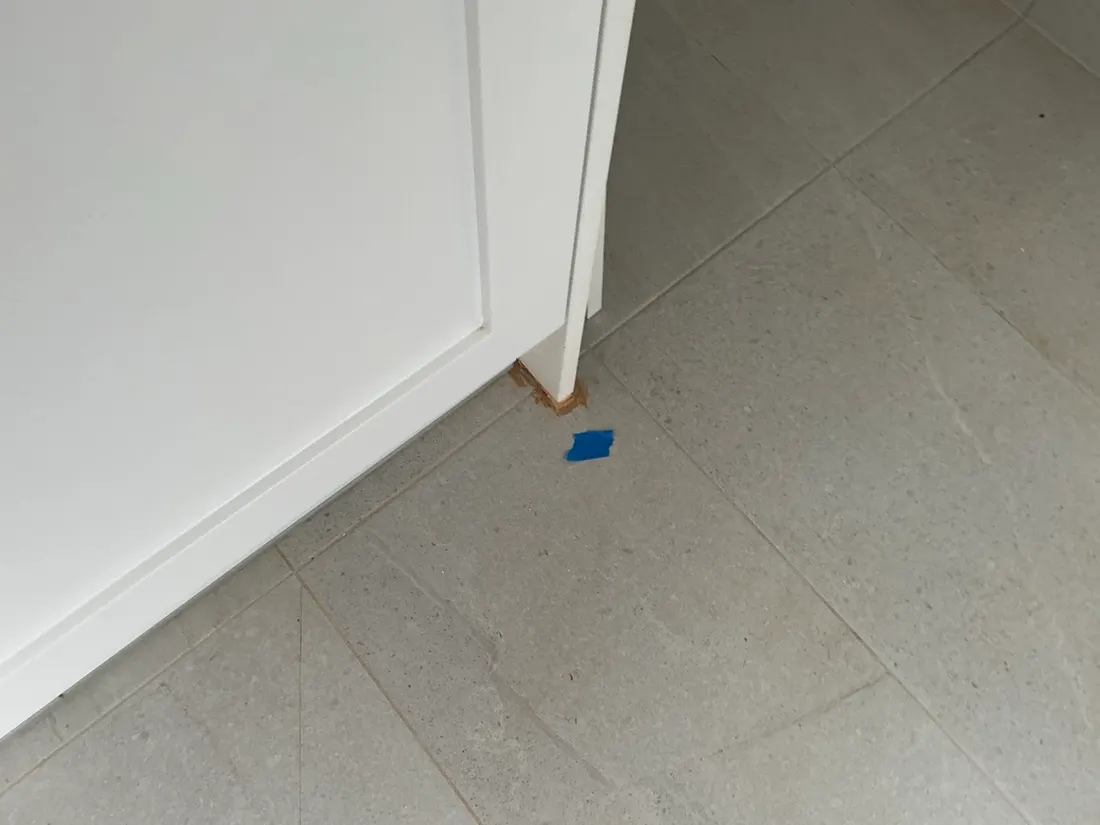
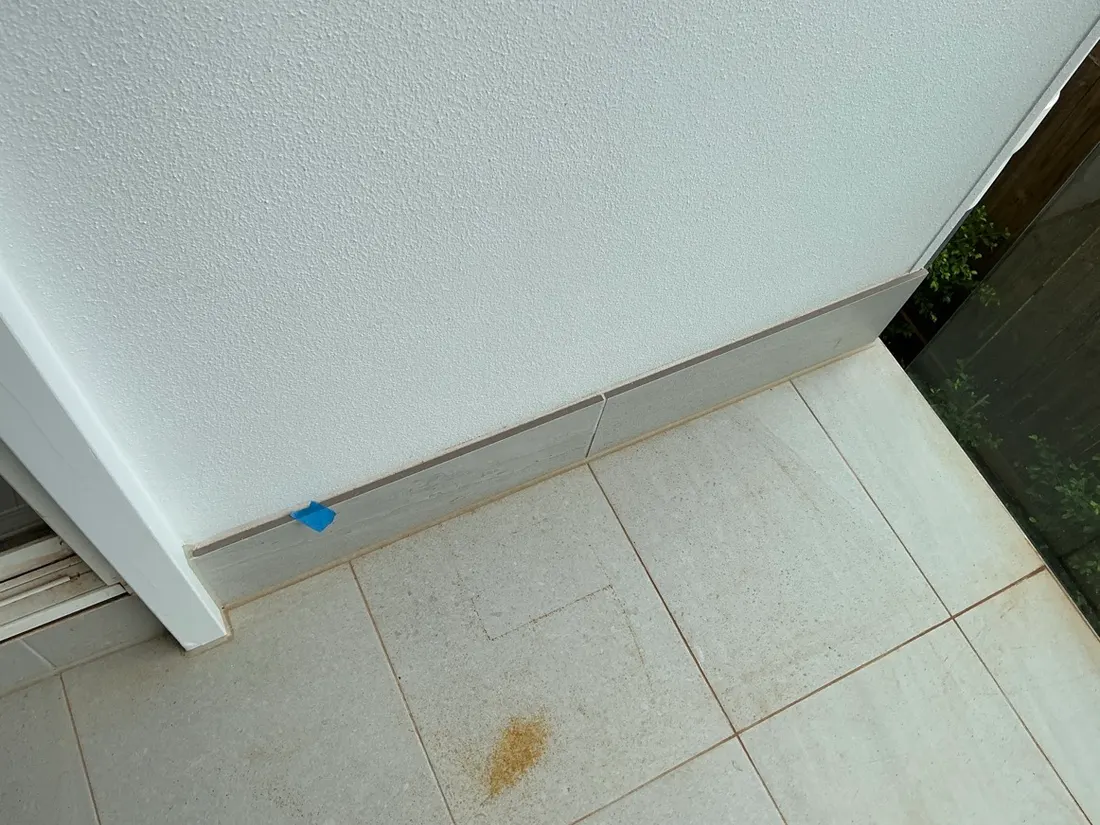
A warranty inspection is an independent assessment of your home within the defect liability period, producing formal documentation to support any items you raise with your builder. Your inspector assesses the home against the QBCC Standards and Tolerances and the National Construction Code, and documents each item with the specific clause it relates to, along with measurements and photographs.
The value is in the timing and the documentation. By having the inspection before your 12-month period closes, you capture any emerging items while contract timeframes still apply — and you hand your builder a clear, referenced list to work from. A VG Inspect warranty inspection is from $550, GST inclusive, with your detailed PDF report included.
Keeping Records During Your Defect Liability Period
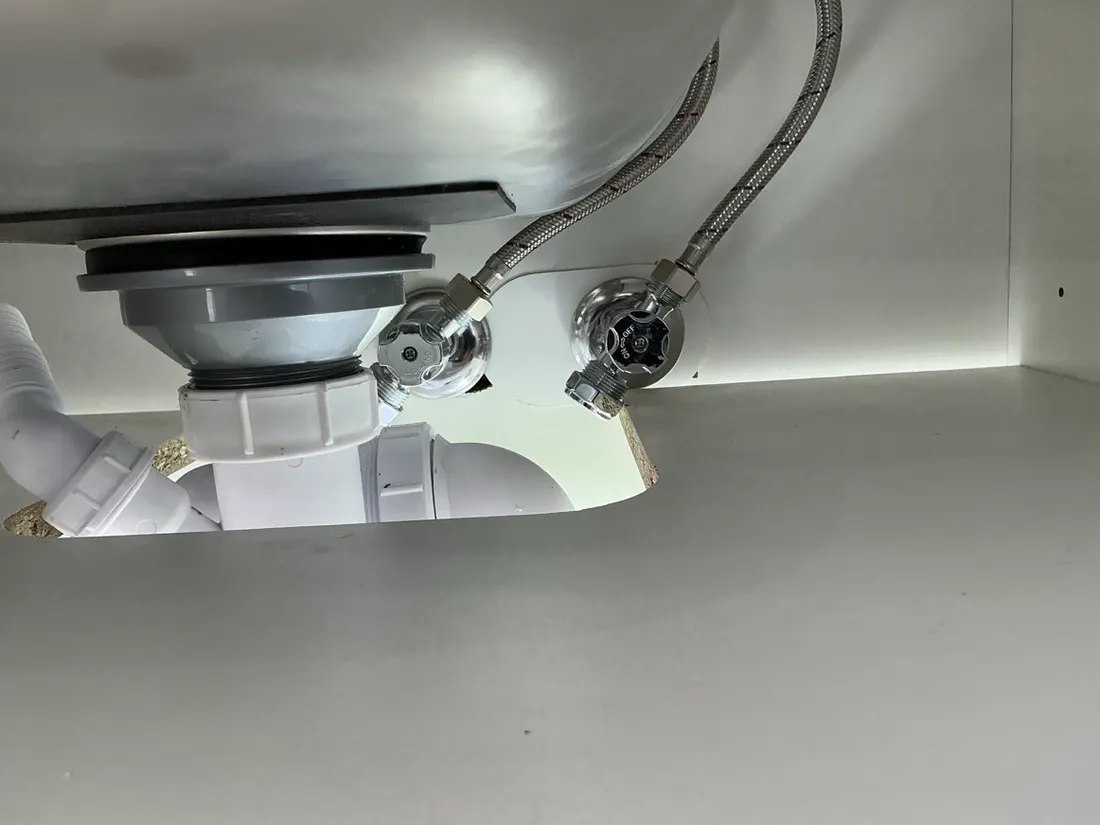
One of the most useful habits during your first year in a new home is simply keeping good records. As you settle in and the home goes through its first seasons, note anything you observe — a hairline crack that appears after a wet spell, a door that begins to stick, a tile that sounds hollow underfoot. Photograph it, note the date, and keep it in one place.
This running record does two things. It means nothing is forgotten by the time you arrange your warranty inspection, and it gives your inspector helpful context about when and how an item appeared. Some items relate to seasonal movement that the home's footings, designed under AS 2870, are built to accommodate; others may warrant attention. A documented history helps distinguish between the two.
When you then have a warranty inspection toward the end of your defect liability period, that record combines with the inspector's assessment to produce a single, clear list referenced to the QBCC Standards and Tolerances. You hand that to your builder as one organised request rather than a series of ad-hoc messages — which is easier for everyone and far more effective. Good records also make your warranty inspection more efficient, because the inspector can go straight to the items you have flagged as well as carrying out a full assessment. It is a small effort during the year that pays off in a smoother, more complete result at the end.
Ready to book your inspection? A VG Inspect QBCC-licensed inspector attends every job.
Book an InspectionTiming Your Warranty Inspection
The ideal time for a warranty inspection is in the later part of your defect liability period — often around the 11-month mark for a 12-month period. This gives the home time to go through a full range of conditions, so that any items related to seasonal movement or weather have had the chance to appear, while still leaving time to raise them before the window closes.
Booking a little ahead of that point secures your date. With same-week availability across the SEQ service area, VG Inspect can usually accommodate your preferred timing, but planning early is always the safest approach.
Related Reading
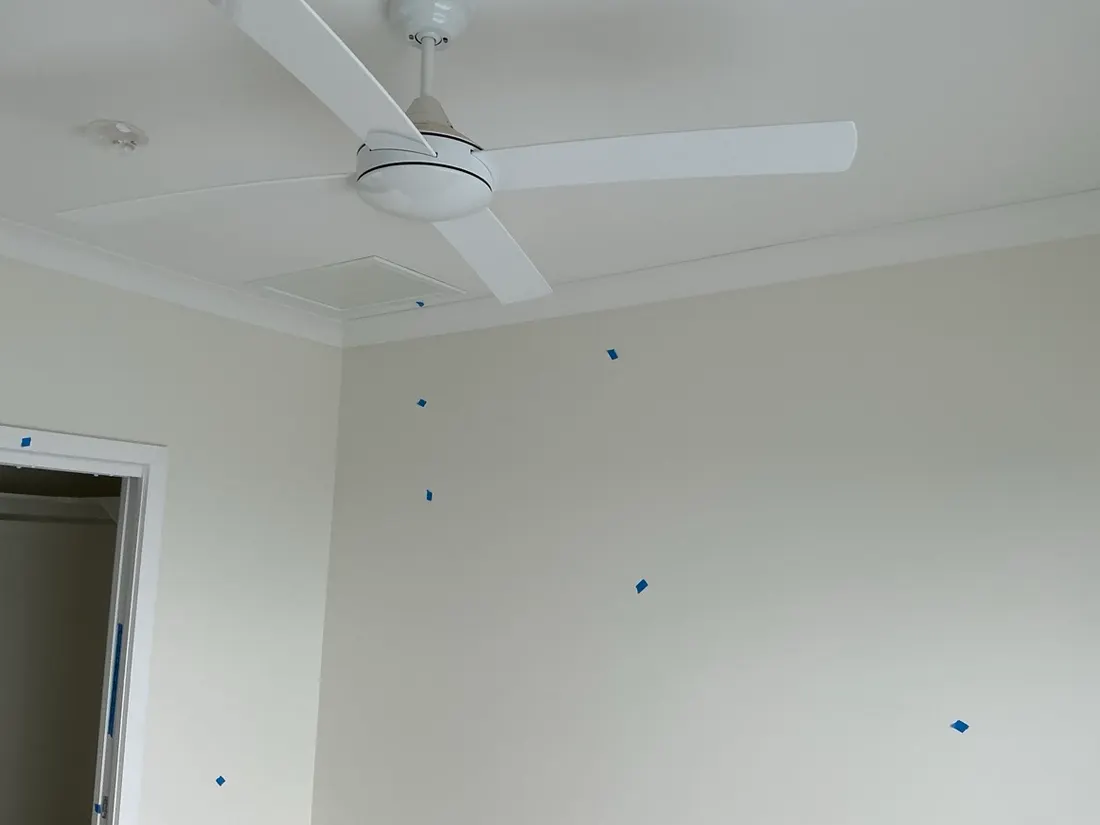
To understand the items a warranty inspection often captures, see the 5 most common new home defects. If you are still approaching handover, read How to Prepare for Your PCI. And if a difference of view arises, see our guide on what to do if your builder disputes your PCI report.
A VG Inspect QBCC-licensed inspector (QBCC Licence 1318443) carries out every warranty inspection — rated 5.0 from 95 reviews across South East Queensland. Call 07 3180 8041 or book a warranty inspection online.