Independent Building Inspections in Brisbane & Moreton Bay
Built on Standards. Backed by Experience.
Building a new home in SEQ? VG Inspect provides independent QBCC-licensed inspections at every stage of construction — Slab, Frame, Waterproofing, Enclosed, Practical Completion and 2nd Handover reports across Brisbane, Moreton Bay, Ipswich, Logan & Redlands.
Every VG Inspect inspection is performed by a QBCC-licensed inspector — no subcontractors, no juniors.
QBCC Licence 1318443
Not just an inspector.
Your protection on site.
A VG Inspect QBCC-licensed inspector attends every inspection with professional-grade equipment — no subcontractors, no juniors, no exceptions.
Meet your inspector
Adam Gates
Every inspection at VG Inspect is carried out personally by Adam Gates. QBCC-licensed (Licence 1318443), independent, building-only focus. Nothing is subcontracted — the inspector who licences the report is the one who walked your site.
Adam is a former site supervisor who moved into independent inspections to bring a builder's eye to the buyer's side of the table. Every inspection is clause-referenced against the National Construction Code, the relevant Australian Standards (AS 2870, AS 1684, AS 3740, AS 3660.1), and the QBCC Standards and Tolerances Guide.
5.0 stars across 80 Google reviews. Verifiable QBCC licence. Builder-neutral. New-build only.
Featured Case Study
Catching a Slab Reinforcement Issue Before the Pour in Logan Reserve
Steel reinforcement cover and chair spacing in the slab were checked against the engineer's design before the pour, with the items identified rectified and re-verified.
Frequently Asked Questions
Everything you need to know about building inspections in Brisbane
Book your building inspection as soon as your builder notifies you that a stage is complete. For slab inspections, book after the concrete has cured. For frame inspections, book before the frame is covered with cladding or plasterboard. Timing is critical to catch issues before they're hidden.
We provide building inspections across Brisbane, Moreton Bay, Ipswich, Logan, and Redlands. Our building inspector Brisbane team covers suburbs from Caboolture to the Redcliffe Peninsula, and from the coast to the Lockyer Valley.
A typical new home inspection takes 1-2 hours depending on the size of the property and the stage being inspected. You'll receive your detailed same-day building inspection report issued on-site (most inspections, exclusions apply).
While it's not required, we recommend attending if possible. This allows our building inspector to walk you through any findings on-site and answer your questions directly. If you can't attend, we'll provide a comprehensive report with photos and explanations.
Our detailed building inspection report documents all defects with photos and references to relevant Australian Standards. You can present this report to your builder who is obligated to rectify defects before proceeding to the next stage. We can also provide a follow-up inspection to verify repairs.
Yes, our building inspectors have over 15 years of experience in the building industry with comprehensive knowledge of the National Construction Code, Australian Standards, and Queensland building regulations.
Our building inspection reports include a detailed assessment of all items relevant to the inspection stage, high-quality photos of any defects or concerns, references to applicable Australian Standards, and a clear summary of action items for your builder.
View our sample building inspection reports →Our building inspection prices start from $550 including GST for most stage inspections. Practical Completion Inspections are $660 for homes under 220m² — homes over 220m² are quoted individually. We provide upfront quotes with no hidden fees. Contact our Brisbane building inspector team for a free quote tailored to your property.
Our standard PCI price is $660 for homes under 220m². Homes over 220m² vary significantly in inspection time and are quoted individually. Contact Adam directly on 07 3180 8041 for a fast quote.
We deliver a same-day digital report listing every defect with photos and the AS/NCC/QBCC clause it sits under. You send that report to your builder. Your builder is responsible for rectification under the Domestic Building Contracts Act and the QBCC Standards and Tolerances Guide — typically defects flagged at a stage inspection are rectified before the next stage proceeds, and PCI defects are rectified before handover. We re-attend for a verification inspection on request — priced at 50% of the original inspection fee (so $275 on a stage, $330 on a standard PCI, $385 on a PCI over 220m²). Most clients book the re-inspection for high-defect-count reports. Our role is to verify on your behalf, not to manage builder communication or negotiate on your behalf.
Same day. Every report is delivered as a clause-referenced digital PDF within hours of the inspection, usually before you've finished dinner. Photos are embedded inline against each defect. The report goes to your nominated email address; you forward to your builder.
Pre-pour: 24-72 hours before the concrete pour. Frame: after the frame is fully up but before plasterboard goes on. Waterproofing: after the membrane is laid but before the tiles go down. Enclosed (lock-up): when the external envelope is complete (windows in, roof done, brickwork done). PCI: 1-2 weeks before handover. Your builder will give you stage dates as the build progresses — message us with the dates and we'll fit the inspection in within your window. Use the build-time calculator to estimate stage dates from your build start date.
Open the build-time calculator →Every finding in your report is tied to the specific standard or code it sits under — AS 2870 for slabs and footings, AS 3600 for concrete, AS 1684 for timber framing, AS 3740 for wet-area waterproofing, and the National Construction Code that sits over all of them. We maintain a plain-English library explaining what each standard governs and why it matters at each stage, so you can see exactly what your home is being measured against.
Browse our Australian Standards library →Yes. We publish anonymised case studies that walk through a real defect at a specific stage — what was found, which standard it related to, and how it was resolved with the builder. Each one shows how an independent inspection works alongside your builder to verify the work, not to criticise it.
Read our inspection case studies →We assess every item against the relevant Australian Standard, the National Construction Code, and the QBCC Standards and Tolerances Guide — not personal opinion. If something falls outside the documented tolerance, it goes in the report with the clause it breaches, so your builder has a clear, objective reference to work from.
See our inspection methodology →Google Reviews
See what our clients are saying
andy sang
Mar 2026
Adam was awesome to deal with. I don't know much about building. His ability to explain what was a major and minor defect really put my mind at ease. Would definitely use Adam again
Andy Zhou
Mar 2026
Adam is extremely professional. He found many defects that the builder didn't notice, and his attention to detail is impressive. Thanks, Adam.
Jed Parker
Mar 2026
Very good company, 100% recommend. Good communication and great people.
ihaka ching
Mar 2026
definitely recommended
Rhys McCarthy
Mar 2026
Highly recommended
Cooper Mickleborough
Mar 2026
Highly recommend
Brett Aplin
Mar 2026
Adam is great to deal with. Gives detailed information. Prompt. To the point. Highly recommend VG Inspect.
Clayton Nicoll
Mar 2026
Very Professional and Very knowledgeable. Will be recommending to all my family and friends
Matty Watson
Mar 2026
Adam and his team provided me with the highest quality report. He wasn't only able to show me any defects he found but explained them in detail.
Matt Brew
Feb 2026
Very knowledgeable excellent service would highly recommend Adam for all your building inspection needs
Craig Scrutton
Feb 2026
We recently had VG INSPECT complete our home inspection, and we couldn't be more impressed. From start to finish, the service was outstanding.
Joel Pate
Feb 2026
Fantastic service.
marcus mestrum
Feb 2026
Great interaction with Adam and highly recommend.
Pip C
Feb 2026
Adam was a pleasure to deal with. He responded to us quickly and has a wealth of knowledge and experience in the industry. Glad we were referred to him by a friend, will definitely use him again.
Gabriel Sumich
Feb 2026
Hiring Adam from VG inspections for our new build handover was the best money spent. Adam was professional and knowledgeable.
koby Watling
Feb 2026
Awesome building knowledge, amazing service and very professional
Kirralee Wong
Feb 2026
Professional and quick responses, such a pleasure to work with, highly recommend.
Hdbbe
Feb 2026
One thing I love is great communication and Adam is fantastic at this. His knowledge in the construction industry is exceptional.
Madeleine Carlin
Feb 2026
Adam is an absolute professional. He has over 20 years experience hands on in residential construction. Highly recommend!
Matt K
Feb 2026
Had Adam do a property inspection for me. Top bloke, showed up when he said he would, very reasonably priced and thorough.
Reegan Causer
Feb 2026
Information always presented professionally without going over your head with jargon, straight to business while making it an enjoyable consultation.
Joel Rix
Feb 2026
Punctual with great building knowledge
Tamati Reweti
Feb 2026
Amazing service, attention to detail with plenty of construction knowledge
Tim Ford
Feb 2026
best in the business
Norm Davey
Feb 2026
Great person to deal with and exceptional building knowledge. Can strongly recommend
Robert Bishop
Feb 2026
Adam was easy to deal with and extremely detailed! Thank you for making this process easy!
Adam Gates
Feb 2026
Amazing service
Jake Morrisby
Feb 2026
Excellent building inspection service
DZAST Juan
Feb 2026
Great experience working with Adam! Very detailed, punctual, and easy to deal with. Would definitely use their inspection services again.
Adam Thomson
Mar 2026
Professional service and great attention to detail
Mitchell King
Feb 2026
Outstanding inspection service
Professional Inspections in Action
See the quality and attention to detail in our inspection process
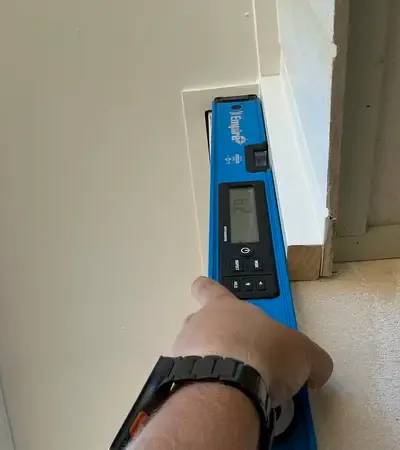
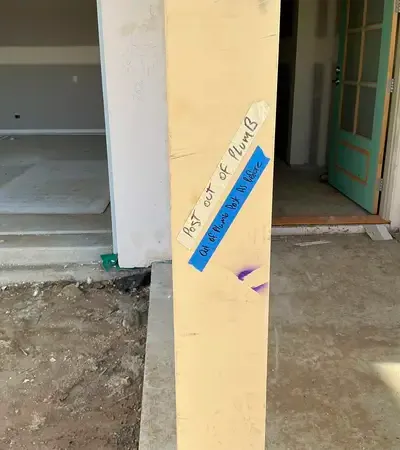
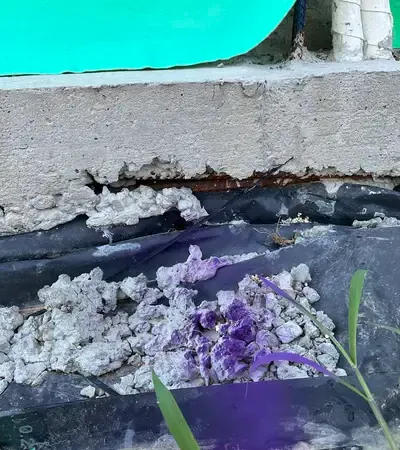
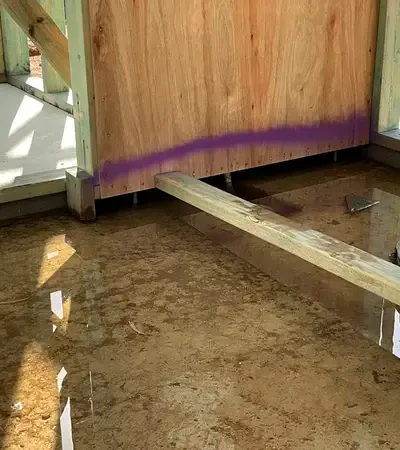
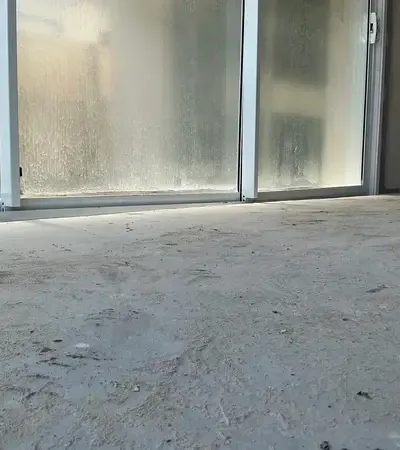
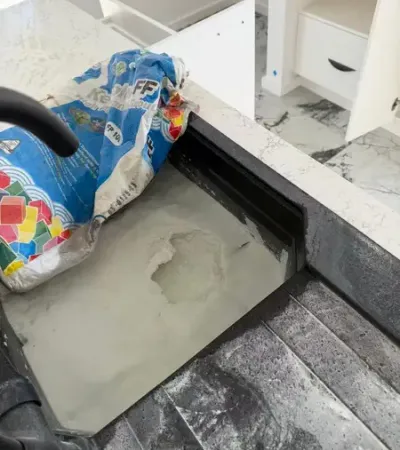
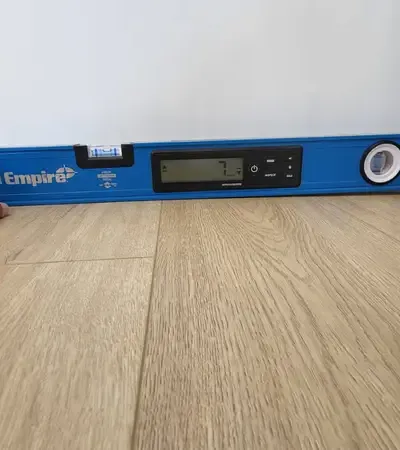

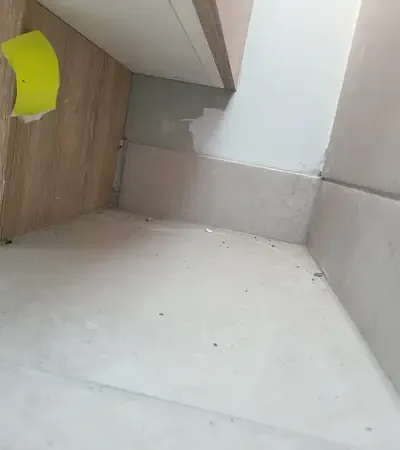
Auto-playing slideshow of real defects found during inspections
Suburbs We Service
VG Inspect covers new home and stage inspections right across Southeast Queensland. Find your suburb below, or browse all regions & suburbs.
Detailed Suburb Inspection Guides
All Suburbs We Inspect Across Southeast Queensland
Every suburb below has a dedicated inspection page with local conditions, common defects, and site-specific guidance. QBCC-licensed independent inspections across all 132 suburbs — same-day reports, no travel surcharge.
- Albany Creek
- Alexandra Hills
- Aspley
- Augustine Heights
- Aura
- Bahrs Scrub
- Banyo
- Beachmere
- Beaudesert
- Beenleigh
- Bellmere
- Berrinba
- Birkdale
- Boronia Heights
- Bracken Ridge
- Brassall
- Bray Park
- Brendale
- Bridgeman Downs
- Browns Plains
- Bunya
- Burpengary East
- Caboolture
- Caboolture South
- Caloundra West
- Camira
- Capalaba
- Carole Park
- Carseldine
- Cashmere
- Cedar Grove
- Chambers Flat
- Cleveland
- Clontarf
- Collingwood Park
- Coomera
- Cornubia
- Crestmead
- Dakabin
- Deception Bay
- Deebing Heights
- Donnybrook
- Eagleby
- Eatons Hill
- Elimbah
- Everton Hills
- Everton Park
- Ferny Grove
- Ferny Hills
- Fitzgibbon
- Flagstone
- Flinders View
- Forestdale
- Goodna
- Greenbank
- Griffin
- Heritage Park
- Hillcrest
- Ipswich
- Jacobs Well
- Jimboomba
- Kallangur
- Keperra
- Kingston
- Kippa-Ring
- Kurwongbah
- Lawnton
- Leichhardt
- Little Mountain
- Logan Reserve
- Loganholme
- Loganlea
- Lota
- Mango Hill
- Manly West
- Marsden
- Meadowbrook
- Meridan Plains
- Mitchelton
- Morayfield
- Mount Cotton
- Munruben
- Murrumba Downs
- Narangba
- Newport
- Ningi
- North Lakes
- Nudgee
- Ormeau
- Ormeau Hills
- Ormiston
- Palmview
- Park Ridge
- Petrie
- Pimpama
- Raceview
- Redbank Plains
- Redland Bay
- Regents Park
- Ripley
- Rocksberg
- Rothwell
- Silkstone
- Sippy Downs
- Slacks Creek
- South Ripley
- Spring Mountain
- Springfield Lakes
- Stafford
- Stafford Heights
- Strathpine
- Thornlands
- Tivoli
- Upper Caboolture
- Upper Coomera
- Victoria Point
- Walloon
- Wamuran
- Waraba
- Warner
- Waterford West
- Wellington Point
- Willow Vale
- Wongawallan
- Woodford
- Woodridge
- Woody Point
- Wynnum
- Yamanto
- Yarrabilba
- Yatala
- Zillmere